

Matcha Maiden Alternative for Wellness: 2026 Guide
Table of Contents
- Why Wellness Drinkers Look for a Matcha Maiden Alternative
- Ceremonial Grade Matcha Benefits for Daily Wellness
- How to Identify Authentic Japanese Matcha
- Matcha vs Coffee for Sustained Energy
- Matcha Maiden Alternative Picks: What to Compare
- What a Matcha Maiden Alternative Costs
- How to Build a Calm Daily Matcha Ritual
- Conclusion: Choosing Your Matcha Maiden Alternative
- Frequently Asked Questions
Last Updated: September 19, 2026
Why Wellness Drinkers Look for a Matcha Maiden Alternative
If you're searching for a matcha maiden alternative for wellness, you want what most people want: clean, calm energy without coffee jitters. Matcha Maiden made matcha feel approachable, but more drinkers now want transparency about sourcing, certification, and what's in the tin.
This guide from Whisk Away Matcha covers what matters when you switch: ceremonial grade matcha benefits, how to spot authentic Japanese matcha, and real costs. The goal is a daily ritual that supports focus, energy, and wellbeing.

The difference between a good matcha and a disappointing one comes down to grade, origin, and processing. Get those three right and everything else follows.
Ceremonial Grade Matcha Benefits for Daily Wellness
Ceremonial grade matcha is the highest quality drinking matcha, made from young shade-grown leaves stone-ground into a fine powder. Because you consume the whole leaf, you take in more natural compounds than from steeped tea.
The main wellness benefits people notice:
- Steady energy from caffeine paired with L-theanine, an amino acid that smooths out the stimulant effect
- Antioxidants, particularly catechins, which support overall cellular health
- Focus and clarity without the wired feeling of a strong coffee
- A grounding ritual that encourages you to slow down for a few minutes each morning
How to Identify Authentic Japanese Matcha
Authentic Japanese matcha is shade-grown in Japan and stone-ground into a vivid green powder. A vague origin label is a warning sign.
A few things to check before you buy:
- Origin stated clearly. Reputable producers name the region, such as Kagoshima or Uji.
- Certification. Look for JAS Certified Organic, Japan's official organic standard, verified by an accredited certifier.
- Colour and texture. Real matcha is bright green and fine, not dull or gritty.
- Taste. Good matcha is smooth with minimal bitterness. Chalky or harsh matcha usually means lower-grade leaves or fillers.
Matcha vs Coffee for Sustained Energy
Most guides stop at 'matcha gives you calm energy.' That's the conclusion, not the explanation. The reason matcha feels different comes down to one amino acid and how it interacts with caffeine.
The L-theanine and caffeine synergy
Matcha contains both caffeine and L-theanine, an amino acid found almost exclusively in tea. L-theanine crosses into the brain, increasing alpha-wave activity, relaxed but alert wakefulness, while blunting caffeine's sharp edges and softening the rebound.
What the numbers actually look like
A standard serving of matcha (one teaspoon, about 2g) contains roughly 60 to 70mg of caffeine. An espresso sits around 60 to 80mg, and a large flat white can push past 120mg. Matcha is not caffeine-free or automatically weaker, the difference is delivery, not just dose.
Where coffee still wins
Matcha doesn't replace every coffee use case. For a fast lift before a 6am session, coffee's rapid onset wins. If you drink coffee for a hot, milky, high-volume cup, matcha feels like a different drink. And heavy coffee drinkers may get a withdrawal headache for a few days as total caffeine falls.
Feature |
Matcha (1 tsp / ~2g) |
Coffee (1 espresso) |
|---|---|---|
Caffeine |
~60-70mg |
~60-80mg |
L-theanine |
~20-40mg |
None |
Onset |
Gradual, 30-60 min |
Fast, 15-30 min |
Peak shape |
Flatter curve |
Sharp spike |
Crash risk |
Lower |
Higher |
Ritual element |
Whisking and preparation |
Brewing or buying |
Best for |
Sustained focus |
Quick alertness |
How to tell if it's working
Give it a week. The first two or three days often feel underwhelming coming off coffee, because your baseline is calibrated to a sharper hit. By day four or five, most people notice the absence of the mid-afternoon slump more than the morning lift. That absence is the point.
Matcha Maiden Alternative Picks: What to Compare
Most 'alternative' articles are product pages in disguise. This section gives you criteria to judge any matcha alternative on its merits, then shows how the options stack up. Criteria first, picks second.
The four criteria that actually matter
1. Grade. Ceremonial grade uses the youngest shade-grown leaves, de-stemmed, de-veined and stone-ground. Culinary grade uses older leaves and is for blending, not drinking straight. If a tin doesn't state its grade, assume culinary.
How matcha compares to other wellness powders
Matcha isn't the only calm-energy option, and it's worth knowing where it sits.
Powder |
Primary active |
Caffeine |
Best for |
Watch out for |
|---|---|---|---|---|
Matcha |
Caffeine + L-theanine |
~60-70mg/serve |
Sustained focus, ritual |
Bitterness if low grade |
Yerba mate |
Caffeine + theobromine |
~65-80mg/serve |
Energy without jitters |
Strong, acquired taste |
Reishi |
Beta-glucans, triterpenes |
None |
Calm, sleep support |
Not a stimulant; no lift |
Ashwagandha |
Withanolides |
None |
Stress modulation |
Takes weeks; not for everyone |
The picks, judged against the criteria
Whisk Away Matcha (30g, $48.00). JAS Certified Organic, single-origin Kagoshima, stone-ground. Grade stated, origin named, certification verifiable. At roughly 30 serves per tin, that's about $1.60 per cup, the pick for a traditional daily whisked cup.
Budget-to-quality: how to spot a cheap tin before you open it
You can often judge quality before you taste it.
- Colour. Bright, vivid green means young leaves and proper shading. Dull olive or yellowish green means older leaf or oxidation.
- Texture. Fine and silky, like cornflour. Gritty or clumpy means poor grinding or moisture ingress.
- Smell. Fresh, sweet, grassy. Flat or hay-like means it is old.
- Price floor. Genuine ceremonial grade from a named Japanese region rarely lands below roughly $1.20 per serve. If a tin claims ceremonial grade at a fraction of that, the grade claim is the first thing to doubt.
A note on dosage and who should be cautious
Matcha is well tolerated by most people, but not everyone. Because it contains caffeine, it's not ideal if you're pregnant, breastfeeding, or sensitive to stimulants. It can also reduce iron absorption, so leave at least an hour between matcha and iron supplements. One serve per day is a common start; two is usually the upper end before caffeine feels like coffee again.
What a Matcha Maiden Alternative Costs
Matcha pricing varies widely, and the cheapest tin is rarely the best value. Price reflects grade, origin, and certification, so a higher upfront cost can mean fewer grams per serve.
Here's how the Whisk Away Matcha range breaks down:
Product |
Price |
Best For |
|---|---|---|
Whisk Away Matcha (30g) |
$48.00 |
Daily traditional whisking |
Café Blend Matcha |
$49.00 |
Hot and iced lattes |
$15.95 |
Building a morning habit |
How to Build a Calm Daily Matcha Ritual
A matcha ritual doesn't need twenty minutes or a full tea ceremony, just consistency and a few intentional minutes to yourself.

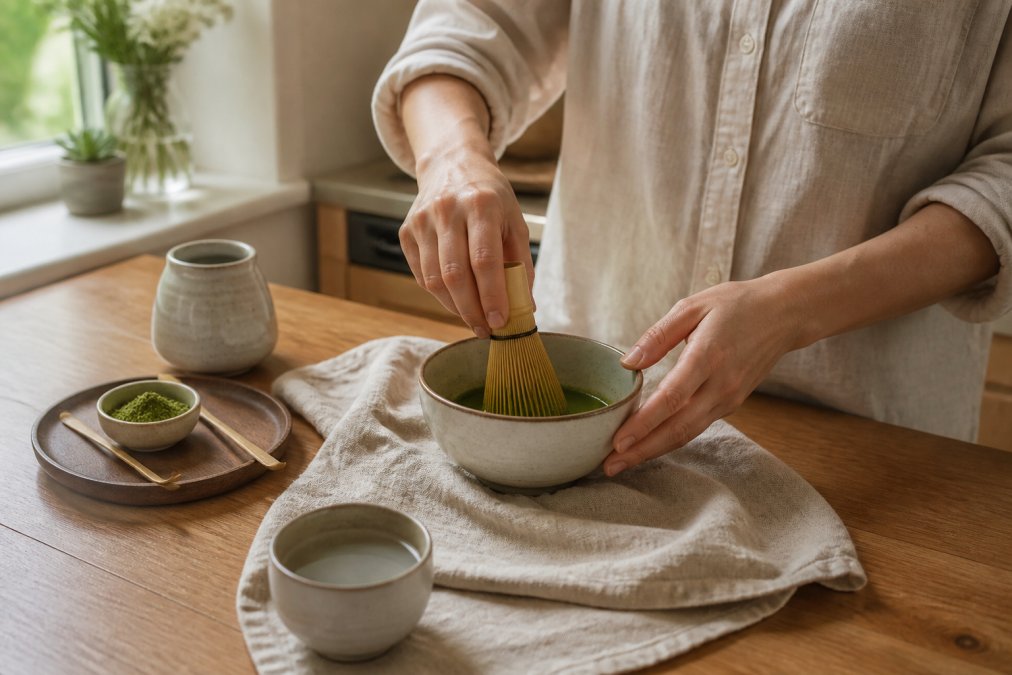
Here's a simple routine you can repeat:
- Warm your bowl with hot water, then discard it.
- Add one teaspoon of matcha and a splash of hot water, not boiling.
- Whisk in a zigzag motion until a fine froth forms.
- Top with hot water or milk, then drink it slowly.
Conclusion: Choosing Your Matcha Maiden Alternative
The hardest part of switching isn't finding a matcha, it's finding one you'll drink every day, which comes down to taste and trust in the sourcing.
Frequently Asked Questions
What is a good replacement for matcha if I want a similar wellness ritual?
If you want the same ritual without the bitterness or price of some brands, look for a JAS certified organic matcha from a named Japanese region. Whisk Away Matcha is stone-ground and sourced from Kagoshima, priced at $48.00 for a 30g tin. It whisks into a smooth, low-bitterness cup that suits a daily wellness routine.
Does matcha affect cortisol levels?
Matcha contains caffeine, which can raise cortisol, especially on an empty stomach or in large doses. The difference is that matcha also contains L-theanine, an amino acid linked to calm focus, which may soften the jittery edge of a caffeine hit. Keep to one or two cups daily and avoid drinking it late in the afternoon if you are sensitive.
How can I identify authentic Japanese matcha before buying?
Check for a named Japanese growing region, a JAS organic certification, and a vivid green colour with a fine, talc-like texture. Authentic matcha is shade-grown and stone-ground, so it should smell sweet and grassy rather than dusty. Vague labels like 'Japanese style' or 'matcha blend' are a warning sign.
Is matcha better than coffee for sustained energy?
Matcha delivers caffeine more slowly because you consume the whole leaf, and its L-theanine content supports steady focus rather than a sharp spike. Coffee gives a faster lift but often a mid-afternoon crash. If you want calm, sustained energy across a workday, matcha is the gentler option, though it still contains caffeine.
What is the healthiest type of matcha powder for wellness?
Ceremonial grade matcha from a certified organic source is the best choice for drinking straight. It is made from the youngest shade-grown leaves, so it is sweeter and less bitter than culinary grade. Whisk Away Matcha is JAS certified organic, stone-ground, and sourced from Kagoshima, making it a strong pick for a daily wellness cup.