

Sip Spa Alternative for Connoisseurs: 2026 Matcha Ritual
Table of Contents
- Why Connoisseurs Are Rethinking the Sip Spa Ritual
- Best Spa Pools Australia 2026: What Sets the Luxury Tier Apart
- The Sip Spa Alternative for Connoisseurs: Matcha as a Daily Wellness Ritual
- Matcha Wellness Ritual Benefits: What Connoisseurs Actually Notice
- Sustainable and Maintenance-Free Luxury Alternatives
- How to Choose: A Connoisseur's Decision Framework
- Frequently Asked Questions
Last Updated: September 10, 2026
Why Connoisseurs Are Rethinking the Sip Spa Ritual
The sip spa alternative for connoisseurs is a daily matcha ritual: a bowl of stone-ground green tea that delivers calm, sustained energy rather than the jolt and crash of a third espresso. At Whisk Away Matcha, wellness-conscious professionals are trading the 4pm slump for a whisked bowl they look forward to.

Most guides get this wrong: they treat matcha as a coffee substitute to gulp before a meeting. The connoisseur treats it as the meeting with themselves.
Below, we break down what separates a luxury-tier matcha ritual from a mediocre one, how to build it, and a decision framework.
Best Spa Pools Australia 2026: What Sets the Luxury Tier Apart
The luxury tier of home hydrotherapy is defined by three things: compact design that still delivers restorative therapy, energy efficiency that keeps operational costs sane, and water filtration that holds quality without constant intervention. Everything else is marketing.
What separates a genuine luxury-tier unit from a mid-range one is not seat count or jet total but the engineering underneath: how the pump modulates, how the shell is insulated, how the water is sanitised, and how precisely jet pressure can be tuned to a single body. A connoisseur evaluates those four systems before looking at shell colour.
Compact Designs That Still Deliver Hydrotherapy
A compact spa pool does not have to mean compromised jets or ergonomic seating. The best small-footprint designs prioritise depth over width, giving you proper hydrostatic pressure and room for full-body immersion. The question is not "how many seats" but "how many positions actually work for my body."
The mechanism that matters is jet-to-body alignment. A lounge seat with a single fixed jet cluster forces one posture; adjustable diverter valves and rotating jet faces let you redirect pressure to the cervical spine, lumbar region, or soles of the feet in one session. Look for a minimum internal depth of around 700 mm, shallower and taller users float rather than settle, defeating the hydrostatic effect. Connoisseur buyers measure their seated shoulder height against the unit's water line before purchase, because a spa that fits the showroom does not always fit the user.
Energy Efficiency and Water Filtration at the Top End
Running costs are where cheap units reveal themselves. Look for insulated covers, variable-speed pumps, and filtration systems that cycle water efficiently rather than running continuously. A spa that costs less upfront but doubles your quarterly power bill is not the luxury option, it is the expensive one.
The connoisseur-level distinction is between a single-speed pump that switches on and off at full draw and a variable-speed pump that idles at low wattage for filtration and ramps only when a jet is activated. The second costs more to manufacture and is the clearest marker of a premium build. Pair it with full-foam or thermal-blanket insulation and a lockable hard cover, and standby heat loss drops sharply, where most ongoing cost actually sits.
Filtration deserves the same scrutiny. A basic cartridge filter traps debris but does nothing for dissolved organics or biofilm. A luxury-tier system typically combines a pleated cartridge with an ozone generator or UV sanitiser, sometimes plus a mineral cartridge that reduces chlorine demand. The benefit is fewer chemical adjustments, less odour, and softer water on the skin. When comparing units, ask how many full water turnovers the filtration cycle achieves daily and whether the sanitiser runs continuously or on a timer. A system turning water over four to six times daily while the pump idles beats a larger pump running flat out for two hours.
The Sip Spa Alternative for Connoisseurs: Matcha as a Daily Wellness Ritual
The sip spa alternative for connoisseurs is a matcha wellness ritual: a deliberate, sensory practice delivering restorative calm in under five minutes, with no plumbing, installation, or ongoing maintenance. It is the wellness investment that fits on a kitchen bench.
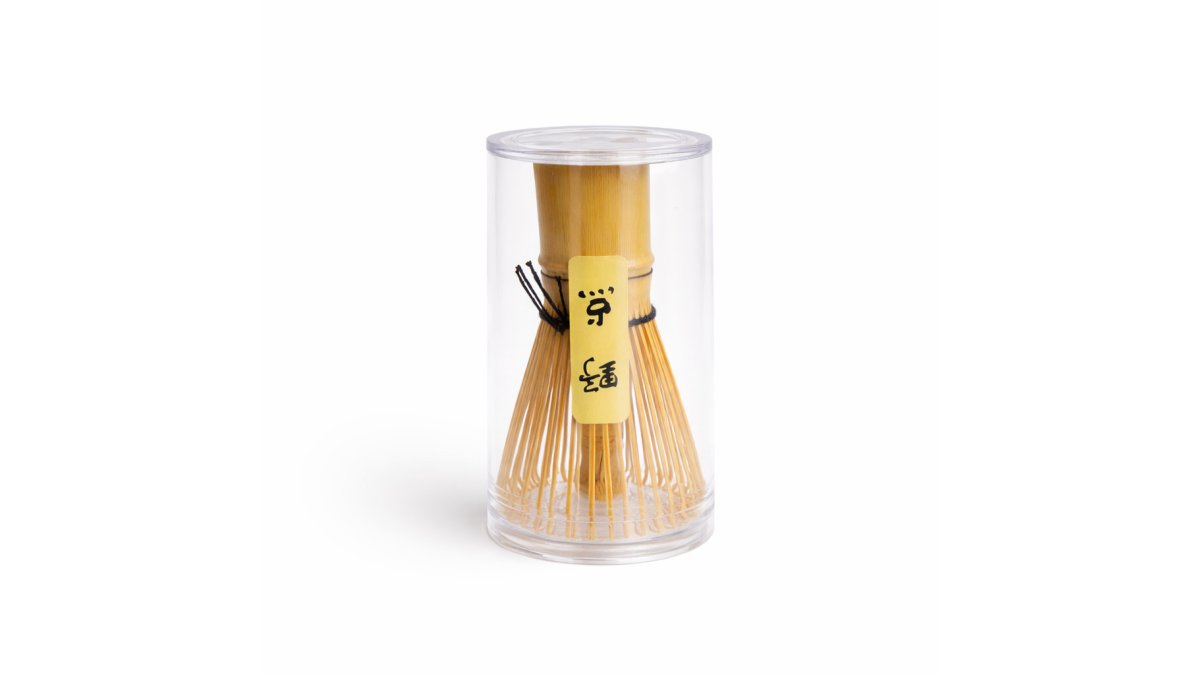
The ritual itself is simple. Sift the powder through a Wooden Matcha Strainer to break up clumps. Add a teaspoon to warm, not boiling, water. Whisk with a Bamboo Matcha Whisk until a fine foam forms. Rest the whisk on a Ceramic Whisk Holder afterwards to preserve its shape.
That is it. No scheduling software, no booking automation, no client management. Just you, a bowl, and a few intentional minutes.
Matcha Wellness Ritual Benefits: What Connoisseurs Actually Notice
Matcha wellness ritual benefits are sensory and cognitive: a slower onset of alertness, no jittery edge, and a clear finish rather than a crash. The difference shows up at 3pm, not in how fast you feel it at 8am.
What the connoisseur notices is that these benefits are not a property of the powder alone. They come from an interaction between the leaf's compounds and how you prepare it. Change the water temperature, whisking speed, or ratio, and you change the cup. Most guides skip this entirely, they describe what matcha does, not why, or how preparation modulates it.
Calm, Sustained Focus Without the Coffee Crash
Many regular coffee drinkers find matcha delivers a gentler curve of alertness. The whole-leaf format means you consume the entire leaf, not an extract. Coming from three espressos a day, expect the first week to feel different. That is the point.
The mechanism is well documented: matcha contains caffeine and L-theanine, an amino acid found almost uniquely in shade-grown tea (PubMed). L-theanine promotes a relaxed-but-alert state, and alongside caffeine, it can offer a smoother onset and less abrupt taper than coffee (peer-reviewed research). The connoisseur implication: shade-growing is not a marketing detail but the cultivation method that concentrates L-theanine. Full-sun matcha tastes harsher and feels edgier because the amino acid profile differs. Origin and growing method matter more than grade labels.
Preparation modulates the effect too. Water that is too hot scalds the powder and releases bitter compounds, pushing the cup toward a sharper, coffee-like experience. Water around 70-80°C extracts sweet, umami-forward notes and preserves the L-theanine character (PubMed). Experienced drinkers often use a lower temperature for a first morning bowl and a slightly higher one before training.
The Sensory Experience: Bowl, Whisk, and Intention
A connoisseur notices the bowl. The Paola Matcha Bowl has a smooth glaze and a wide base that supports the whisk's natural motion. The Ocean Matcha Bowl runs deeper, with flowing glaze patterns that make each piece unique. Neither is decoration. Both change how the ritual feels in your hands.

The connoisseur's sensory checklist goes further than the bowl. First, the dry powder: high-quality matcha smells sweet and grassy, not dusty, and should be vivid, almost fluorescent green rather than dull olive. Second, the whisking sound, a proper bamboo whisk produces a light, rhythmic rasp, and the foam should be fine and persistent, not large and collapsing. Third, texture: a well-whisked bowl is creamy and coats the tongue; a poor one is gritty and thin. Fourth, the finish, good matcha leaves a clean, sweet umami note that fades gradually, while a bitter, astringent tail signals water that was too hot or powder too old.
Whisking technique is the variable most drinkers never train. The motion is a rapid back-and-forth in a "W" or "M" pattern, using the wrist rather than the whole arm, incorporating air evenly rather than beating the liquid. Thirty to forty seconds is enough for a fine foam; longer whisking cools the bowl and flattens the texture. Resting the whisk on a Ceramic Whisk Holder afterwards preserves the tines' curve, keeping the whisking action efficient for months rather than weeks.
Sustainable and Maintenance-Free Luxury Alternatives
The most sustainable luxury alternative is the one with nothing to service. A matcha ritual uses no water beyond the kettle, no chemicals, no replacement filters, and no extra electricity. Compared to a spa pool's ongoing filtration, chemical balancing, and energy draw, the operational footprint shrinks dramatically.
For buyers weighing this against a hydrotherapy installation, the honest trade-off: a spa pool offers full-body immersion and heat; a matcha ritual offers daily cognitive calm in five minutes. They solve different problems. Many connoisseurs keep both, but the one they use every day is the bowl.
| Consideration | Spa Pool Alternative | Matcha Ritual Alternative |
|---|---|---|
| Upfront cost | High, plus installation | Low, one-time tools |
| Space required | Permanent outdoor footprint | Kitchen bench |
| Ongoing costs | Power, chemicals, servicing | None beyond powder |
| Daily time | 20-40 minutes | 3-5 minutes |
| Wellness focus | Muscular and thermal | Cognitive and sensory |
| Maintenance | Regular water care | Rinse and dry tools |
How to Choose: A Connoisseur's Decision Framework
Use this framework to decide where your wellness budget goes.
- If your goal is physical recovery: a hydrotherapy installation is the right category. Budget for the ongoing costs, not just the unit.
- If your goal is daily mental clarity: a matcha ritual delivers more consistent returns because you will actually do it every day.
- If you want both: start with the ritual. It costs a fraction and builds the habit that makes the larger purchase worthwhile.
- If you are new to matcha: begin with Cafe Blend Matcha for a smooth, café-style cup, then move to Whisk Away Matcha once your palate sharpens.
- If you already drink matcha daily: invest in the tools. A proper bowl and whisk change the texture more than a powder upgrade does.
Frequently Asked Questions
What are the best premium alternatives to a sip spa in Australia?
Connoisseurs are turning to two paths: high-end spa pools with hydrotherapy jets, ergonomic seating and compact designs, or daily wellness rituals like matcha. A matcha wellness ritual offers a portable, maintenance-free alternative you can enjoy anywhere. Whisk Away Matcha, for example, is JAS Certified Organic and sourced from Kagoshima, delivering calm, focused energy without the jitters or crash of coffee.

How do I choose a high-end spa pool for my home?
Start with installation feasibility: measure your backyard space and check access for delivery. Then assess energy efficiency, water filtration, massage jets and water temperature control. Look for ergonomic seating, durable materials and customization options. Compare operational costs over five years, not just the purchase price. A compact design with strong performance metrics often suits smaller blocks better than a larger model with lower build quality.
How does a matcha ritual compare to spa therapy for mindfulness?
Both support restorative therapy, but they work differently. Spa therapy uses heat and hydrotherapy for physical relaxation. A matcha ritual builds mindfulness through preparation: sifting the powder, whisking until frothy, and drinking slowly. Matcha wellness ritual benefits include calm, sustained focus thanks to L-theanine. Whisk Away Matcha's stone-ground, shade-grown leaves preserve natural goodness, making each cup a grounding pause rather than a quick caffeine hit.
Are there energy-efficient alternatives to traditional spa pools?
Yes. Modern spa pools use insulated covers, variable-speed pumps and improved water filtration to cut operational costs. Compact designs heat less water, which reduces energy use. If you want a zero-installation, zero-energy option, a matcha wellness ritual delivers relaxation benefits with no backyard installation, no maintenance requirements and no ongoing power bills. It is a sustainable and maintenance-free luxury alternative for daily use.
What should I look for when comparing Australian spa pool brands?
Check certification, warranty length and local service support. Ask about energy efficiency ratings, water filtration systems and the durability of shells and covers. Confirm the brand stocks replacement parts locally. For a maintenance-free luxury alternative, consider a premium matcha ritual instead. Whisk Away Matcha is Australian-owned and JAS Certified Organic, so you can verify sourcing and purity without guessing.